Weed Bags Applications And Construction Process
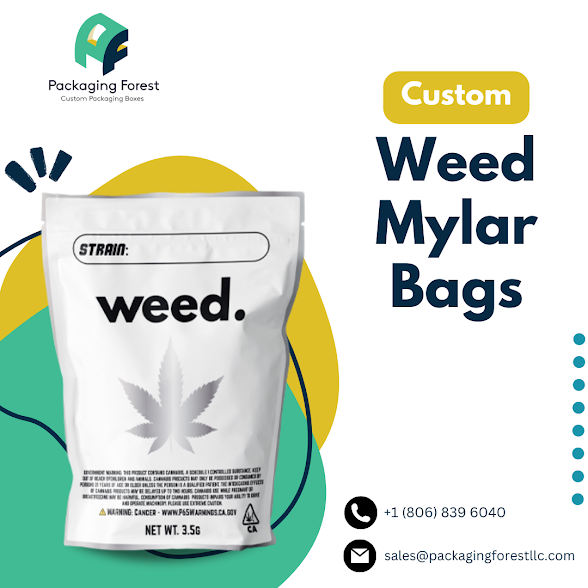
Weed Bags are specially designed carrying cases created for the storage and transportation of marijuana items. These bags have several uses in cannabis company operations, such as labeling, storage, and protection for different cannabis goods.
Applications of Weed Bags
1. Preservation and Storage: They are usually employed to preserve and store flowering cannabis buds, pre-rolls, foods that concentrate, and various other drug-related items. By sheltering the marijuana from outside elements like moisture, sunlight, and the atmosphere, these bags are meant to preserve the marijuana's power, freshness, or scent.
2. Transportation: They are essential for the appropriate delivery of cannabis goods from manufacturers and cultivators to dispensaries, healthcare institutions, or final consumers. They serve as a covert and secure packing option, guaranteeing conformance to regulations and decreasing odor leakage while in transit.
3. Branding: These services offer a chance for cannabis businesses to forge their brand identities and adhere to legal labeling regulations. To clearly express important details to consumers, vendors may add their logos, product data, variable names, as well as additional labeling features to the bags.
Step-by-step Construction Process of Weed Bags
There are various processes in the creation of weed bags, involving design, choosing the right materials, the printing press, and assembly.
Here is an Overall Summary
1. Design: The design of such bags is chosen by the particular specifications of the cannabis business & the laws in the target marketplace. During this phase, the bag's size, closing options (such reseal able or heat-seal), and optional features like rip slits or child-resistant mechanism are chosen.
2. Choice of Materials: They are often constructed from specific materials that combine strength, resistance to water, light safety, and odor-confined space. Typical components for these backpacks include:
a. Mylar or Polyester Film: These substances have great membrane characteristics and shield marijuana-related goods from humidity, light, and oxygen. The inner layer is often made of Mylar because of its reduced permeability for glasses.
b. Polyethylene (PE): The exterior layer of weed bags is often made of PE. It is supple, strong, and impervious to cutting, puncturing, and dampness.
3. Printing: The bags get printed with branding components, product specifications, a variety of names, and any additional necessary information once the materials have been picked. Depending on the complexity and scale of the manufacturing, the printing procedure might utilize methods consisting of flexography or the use of digital printing.
4. Assembly: Using a variety of techniques, the printed film is transformed into bags in the last step. Heat-sealing, in which the item's edges become fused together to produce secure seals, or zip lock closures, which permit repeated opening and shutting, are two common methods of assembly.
Materials Used for Construction of Weed Bags
Weed bags frequently come from a variety of materials, as was already noted. The particular substance employed is decided by the desired qualities and rules controlling the cannabis industry.
The following supplies are frequently utilized to make weed bags:
1. Mylar or polyester film: These types of materials provide a great oxygen and moisture barrier, preserving the freshness and life span of cannabis goods.
2. Polyethylene (PE): PE serves effectively as the weed bags' outermost layer because of its flexibility, resilience, & durability against moisture.
3. Foil or metalized films: These substances boost their repellent qualities, preventing oxygen as well as light from lowering the potency of cannabis goods.
4. Ziploc Closures: These are often made of polypropylene (PP) or polyethylene (PE) that is safe for food use.

“Custom Weed Bags: Benefits”
Custom Weed Packaging Bags represent specialized cannabis packaging options produced specifically to fit the demands or identity of a cannabis business.
Here are a few major advantages of personalized weed bags:
1. Branding and Differentiation: Custom Bags provide cannabis businesses a chance to build and develop their brand by recognizing something. These bags aid in differentiating what they sell from those made by different businesses and building customer identification of their businesses by using their logos, colors, and unique visual aspects.
2. Compliance and Information: Cannabis businesses may adhere to legal labeling standards by using customized bags. They can include all required product information, such as strain names, THC/CBD concentration, cautionary statements, and dosage rules, assuring legality and giving customers essential information.
3. Improved Product display: They provide businesses the ability to design eye-catching packaging that improves the appearance of their cannabis goods. The impression of the item's worth and appeal may be substantially influenced by appealing designs, exceptional colors, and printing that is of excellent quality.
4. Better User Experience: To improve the buyer's experience, these bags may be made with useful features. Child-resistant mechanisms, resealable closures for preserving product freshness, tear-notches to simple openings, or transparent windows for product viewing may all be examples of such features.
5. Marketing and Promotion: By effectively publicizing the medical marijuana company's brand and goods, companies act as a marketing tool. They serve as mobile ads, possibly reaching viewers beyond the retail or dispensary setting.
In a nutshell, particular marijuana bags provide several advantages for cannabis businesses, including marketing opportunities, regulatory compliance, better product presentation, boosted customer experience, advertising perspective, along with security considerations.
Comments
Post a Comment